
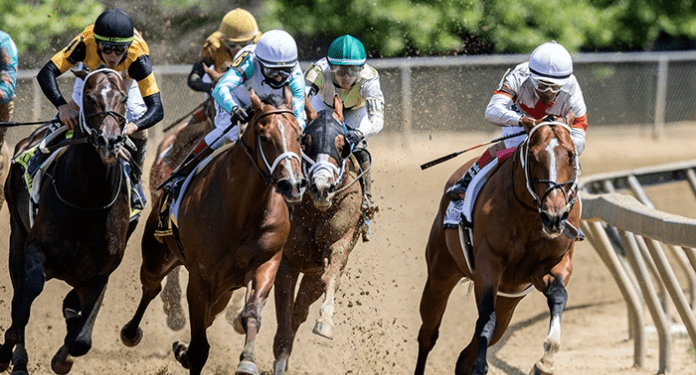
The world of horse racing has always held a prestigious place in the UK’s sporting culture. However, there are times when racing events are not on, leaving fans and bettors disappointed. In this article, we explore the various reasons why UK horse racing may not be taking place, the implications for the industry and betting communities, and how enthusiasts can still engage with horse racing online. For a comprehensive betting experience, including options beyond mainstream establishments, consider visiting UK horse racing not on GamStop non GamStop horse racing sites.
The History of Horse Racing in the UK
Horse racing has deep roots in the UK, dating back centuries. The sport has evolved over time, transitioning from informal races among friends to a highly organized and regulated industry. Major events such as The Grand National and The Derby not only provide thrilling entertainment but also contribute significantly to the UK economy. However, the intricacies of the sport mean that there are periods when racing may be paused, leading to a lack of events in the calendar.
External Factors Affecting Racing
Several external factors can lead to racing being called off in the UK. These include:
- Weather Conditions: Adverse weather can severely affect racing schedules. Heavy rainfall, snow, or extreme heat may render tracks unsafe for both horses and jockeys, causing events to be postponed or canceled.
- Health Concerns: Public health emergencies, such as the COVID-19 pandemic, have caused widespread disruption in various sectors, including sports. During such times, racing may be suspended to ensure the safety of participants and fans.
- Track Maintenance: Regular maintenance and improvement of racing tracks are essential for safety and performance. This might result in certain tracks being rendered unavailable for a period, leading to a reduced racing schedule.
- Regulatory Issues: Changes in laws and regulations regarding horse racing can also affect the schedule. This can include everything from changes in licensing requirements to the implementation of new animal welfare laws.
The Economic Impact of No Racing
The absence of horse racing in the UK has significant economic implications. Betting companies, local economies around racetracks, and numerous related businesses all rely heavily on the flow of racing events. When races are not held:
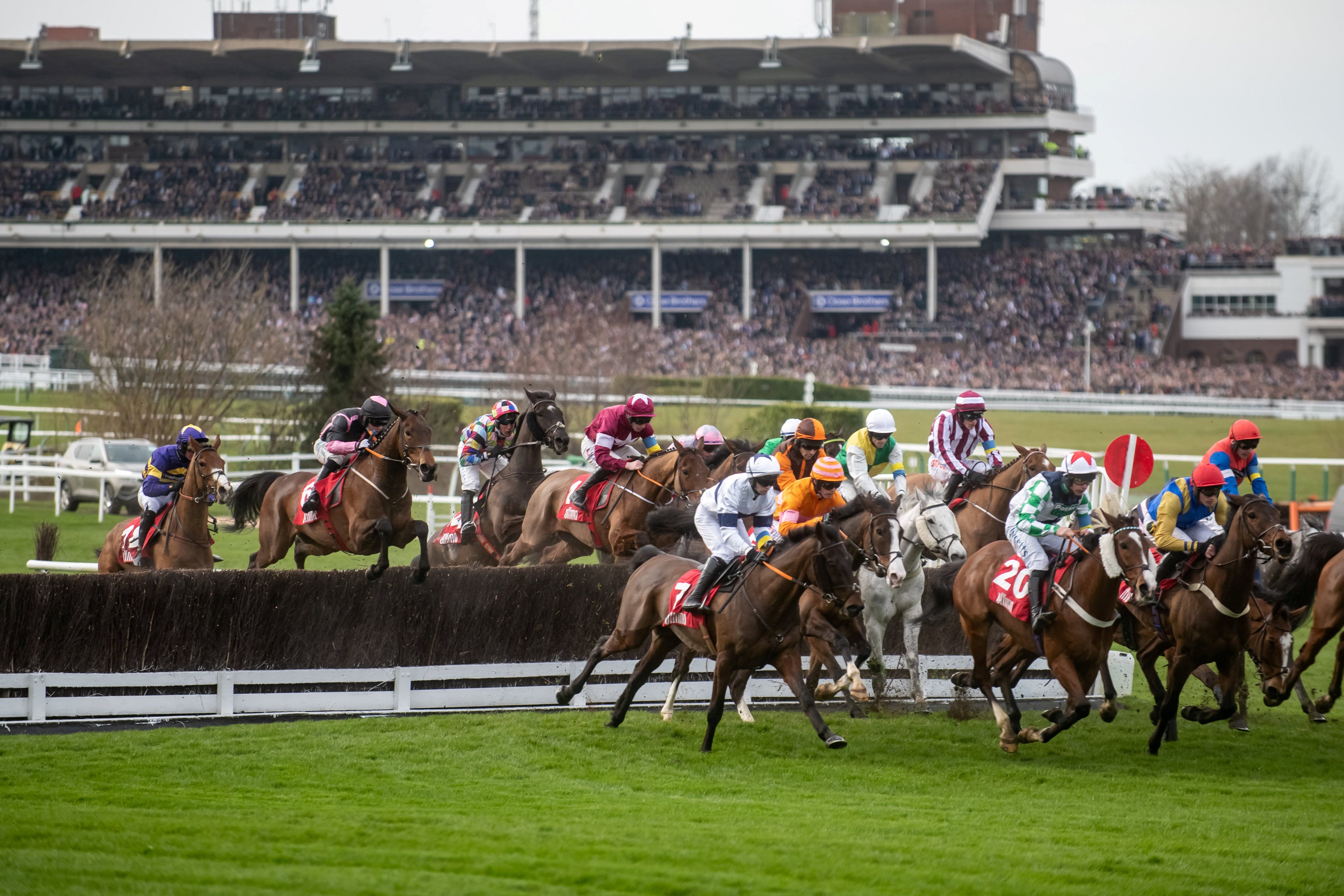
- Reduced Betting Revenue: Betting companies experience a decline in revenue without races. This affects not just the companies, but also the livelihoods of those who work within the betting industry.
- Job Losses: Jobs at racetracks, in support industries, and among jockeys may be at risk when racing is not taking place.
- Local Business Impact: Restaurants, hotels, and other local businesses often see reduced foot traffic during racing events, leading to potential financial strain.
Engaging with Horse Racing During Downtime
Even when traditional racing events are not on, fans and bettors have several avenues to explore their passion for horse racing:
- Online Betting Platforms: As mentioned earlier, sites that specialize in non GamStop betting can provide an alternative for those seeking to place bets even when local events are suspended.
- Virtual Racing: Many betting companies now offer virtual racing, which allows fans to engage with the sport even when real races are not occurring. These computer-generated races can be just as exciting and provide a betting opportunity.
- Simulated Races and E-Sports: Simulated racing and horse racing eSports have also become increasingly popular, providing a new platform for both entertainment and betting.
- Engage with the Community: Online forums and social media can keep fans connected. Engaging with other enthusiasts allows for discussions about previous races, breeding, and tips for when racing resumes.
The Future of Horse Racing in the UK
Despite the challenges faced, the future of horse racing in the UK remains hopeful. Innovations within the industry, including advancements in technology and an increase in global interest, are paving the way for a resurgence.
As health protocols have improved, there is optimism for a more stable racing calendar. Initiatives aimed at improving the health and well-being of horses hav

e gained traction, further publicizing the importance of welfare in the sport. This shift may also help in attracting a new audience that is more concerned with ethical considerations.
Conclusion
UK horse racing holds a prominent cultural significance, and its absence can cause disappointment among fans and participants. Nevertheless, understanding the various reasons for downtime and remaining engaged through alternative channels can help alleviate some of the disappointment. As the industry adapts to modern challenges and innovations, the future of horse racing in the UK can remain bright, ensuring that when events do resume, the excitement surrounding them will only grow.
