Understanding gambling addiction Signs, risks, and recovery strategies
What is Gambling Addiction?
Gambling addiction, also known as pathological gambling or compulsive gambling, is a behavioral addiction characterized by an uncontrollable urge to gamble, despite the negative consequences it brings. This condition can lead to financial ruin, strained relationships, and even mental health issues such as anxiety and depression. Those affected often lose track of time and money, leading them to prioritize gambling over more important aspects of life, such as work, family, and personal health. Players can now access the latest online platforms for new pay id pokies, which provide varied gaming options.
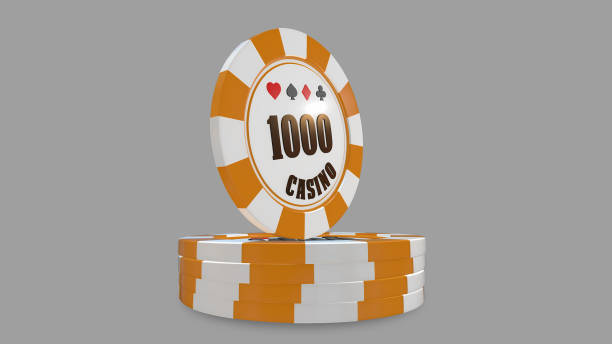
The nature of gambling addiction is complex, involving both psychological and physiological factors. For many, the thrill of gambling can act as a temporary escape from stress or emotional pain. This temporary relief often reinforces the behavior, creating a cycle that is hard to break. Understanding this cycle is crucial for both individuals suffering from gambling addiction and their loved ones, as it highlights the importance of seeking help and support.
Moreover, gambling addiction is often misunderstood, leading to the stigmatization of those affected. Many people mistakenly believe that gambling is merely a matter of personal choice or willpower. However, it’s essential to recognize that gambling addiction is a recognized mental health disorder, requiring professional intervention and treatment. Without understanding the underlying issues, recovery can be significantly more challenging.
Signs of Gambling Addiction
Identifying the signs of gambling addiction can be a crucial first step in seeking help. Common indicators include the need to gamble with increasing amounts of money to achieve the same thrill, often referred to as chasing losses. This behavior reflects an escalation that can lead to significant financial and emotional distress. Other signs include neglecting personal and professional responsibilities in favor of gambling activities, which may create a sense of isolation from friends and family.
Another telling sign is preoccupation with gambling, where individuals find themselves constantly thinking about previous bets or planning future gambling activities. This fixation often leads to a loss of interest in other hobbies or activities that once brought joy. It is essential for friends and family to recognize these signs early, as intervention can significantly impact recovery prospects.
Additional signs include lying about gambling habits, stealing money to fund gambling activities, or experiencing emotional distress when not gambling. These behaviors not only affect the individual but can also harm relationships with loved ones, leading to further isolation and despair. Understanding these signs can help initiate conversations about treatment and encourage affected individuals to seek help.
Risks Associated with Gambling Addiction
The risks linked to gambling addiction are manifold and can affect various aspects of an individual’s life. Financially, gambling addiction often leads to significant debt, bankruptcy, and loss of savings. Individuals may resort to borrowing money from friends or taking out loans, which can escalate into a vicious cycle of gambling and debt. The financial fallout can have long-lasting effects, impacting credit scores and future financial opportunities.
Beyond financial implications, gambling addiction can also lead to severe emotional and psychological issues. Many individuals face anxiety, depression, or feelings of worthlessness as a result of their gambling behavior. These mental health challenges can exacerbate the addiction, making recovery even more challenging. Additionally, gambling addiction can lead to strained relationships with family and friends, creating an environment of mistrust and resentment.
Furthermore, the risks extend to physical health, as individuals may neglect their well-being in favor of gambling. This neglect can manifest as poor diet, lack of exercise, and substance abuse. The combination of emotional and physical stress can lead to serious health issues, including heart disease and gastrointestinal problems. Recognizing these risks is essential for fostering a supportive environment for recovery.
Recovery Strategies for Gambling Addiction
Recovery from gambling addiction requires a multi-faceted approach, often beginning with recognizing the problem and seeking help. Professional counseling and therapy can provide the necessary support, offering individuals tools to manage their addiction. Cognitive-behavioral therapy (CBT) is particularly effective, as it helps individuals identify negative thought patterns and replace them with healthier behaviors.
Support groups, such as Gamblers Anonymous, can also play a vital role in recovery. These groups offer a safe space where individuals can share their experiences and gain support from others facing similar challenges. The communal aspect of these support systems can provide motivation and accountability, making the journey toward recovery more manageable.
Additionally, developing a strong support network of family and friends can be crucial. Loved ones can help monitor behavior and provide encouragement throughout the recovery process. Establishing healthy coping mechanisms, such as engaging in hobbies or physical activities, can also serve as alternatives to gambling, creating a fulfilling and balanced lifestyle free from the grip of addiction.

More Resources and Support
For individuals struggling with gambling addiction, numerous resources and support systems are available. Online platforms offer valuable information and connect individuals with counselors and support groups. These resources often include hotlines, chat services, and forums where individuals can seek advice and share their journeys. Educating oneself about the nature of gambling addiction is a significant step toward recovery.
In addition to professional help and support networks, many communities offer local resources aimed at combating gambling addiction. These might include workshops, educational seminars, and community outreach programs designed to raise awareness about the risks of gambling and promote healthy behaviors. Engaging in these local efforts can foster a supportive environment and encourage others to seek help.
Ultimately, the journey toward recovery from gambling addiction is deeply personal, requiring patience and commitment. Accessing the right resources and seeking help from professionals can lead to a brighter future, free from the shackles of addiction. Understanding the signs and risks can empower individuals to take the first step towards a fulfilling life beyond gambling.
